
Roller Shades for a Home Office: Glare, Daylight and Privacy
October 20, 2026 · DBS Blinds Team · 4 min read
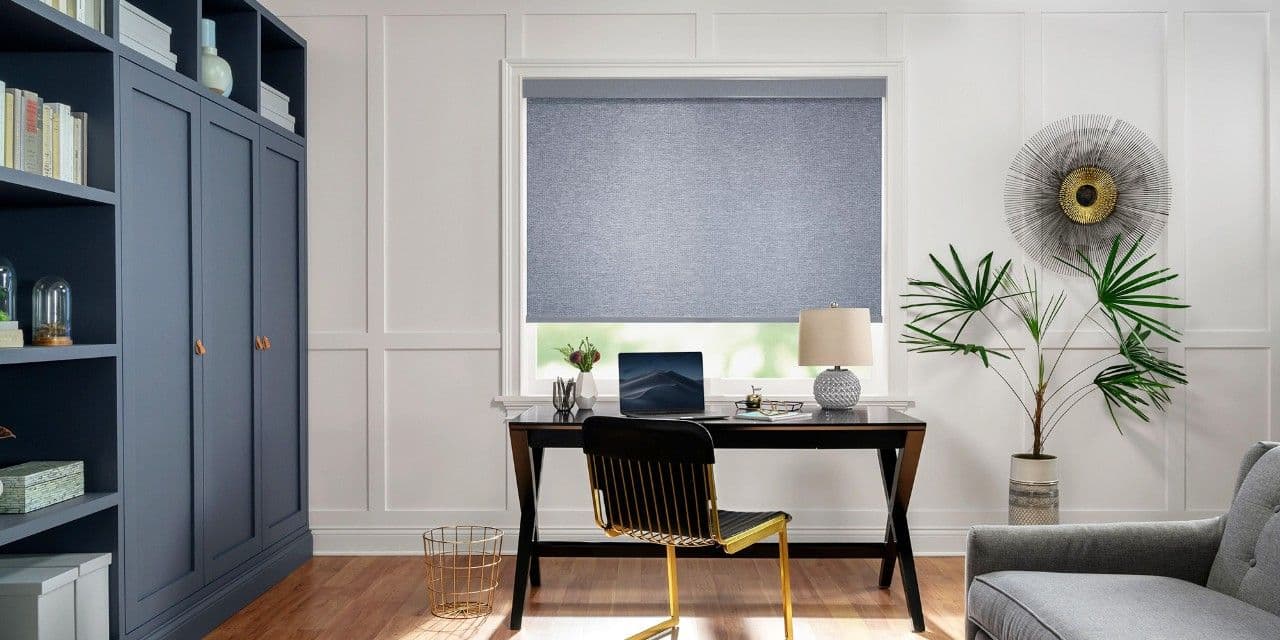
A home office window can be pleasant in the morning and distracting by the afternoon. A bright reflection crosses your monitor, the room behind you looks washed out on video calls, or you need privacy after sunset. Choosing a roller shade starts with those everyday situations, not just a fabric colour.
For a Surrey or Vancouver home office, use this checklist to decide what your window covering needs to do. The aim is a workable balance between daylight, screen visibility and privacy, with the final fabric checked in your own room.
Start with a short daylight diary
Before comparing samples, spend a working day noticing when the window causes a problem. Write down the times you see direct sun on the desk, a reflection on the screen or an uncomfortably bright background. Take a photo from your usual seated position so you can explain the problem during a consultation.
Also note when you actually use the room. A desk used for an hour in the morning has different priorities from an office used through the evening. If the space doubles as a guest bedroom, add that to the brief rather than expecting one daytime fabric to meet every need.
Compare the fabric, not only the shade style
DBS offers roller shades in solar screen, light-filtering and blackout fabrics. They use the same basic rolled-fabric format, but their effect on the room differs.
Solar screen fabric is worth comparing when preserving some outward view matters. Its open weave can reduce glare while allowing a view through the material. Ask to see the actual openness and colour options available for your window; a fabric description alone cannot show how your monitor will look behind it.
Light-filtering fabric softens incoming daylight. It can suit a workspace where you want diffuse light instead of an open view. Compare samples against both a bright window and the room's interior finishes, because a swatch on a table gives only part of the picture.
Blackout fabric is an option when blocking light through the fabric takes priority. Consider how you will light the desk when the shade is lowered. Fabric opacity also does not eliminate every gap around the edges of an installed shade, so discuss the mounting arrangement separately.
Check privacy after dark
A solar screen is not a reliable substitute for an opaque evening privacy layer. When interior lights are on and it is dark outside, people outside may be able to see into the room. Manufacturer guidance on solar-shade openness and privacy explains this limitation; use it as general fabric guidance, not a promise about a particular DBS product.
If the office faces a neighbouring window or a public walkway, make evening privacy an explicit requirement. DBS lists a dual roller option pairing a sheer and blackout layer. Ask whether that arrangement fits your window and whether both layers can be operated conveniently from the room.
Test the shade from your working position
Bring the sample to the window and look at your screen with the applications you normally use open. Check a pale document, a dark screen and your video-call preview. Then look from another position in the room. A sample that looks attractive from the doorway may behave differently from the desk.
Try a small change to the monitor or desk position too, if the room allows it. Treat this as a practical comparison: note whether the reflection moves or becomes less distracting. Your consultation will be more useful if you can describe what helped and what still needs shade control.
Make adjustment easy
A shade is useful only if you can operate it when conditions change. Note whether the desk, shelves or other furniture block access to the window. DBS lists manual and motorized roller-shade options; ask which controls suit the proposed size and installation.
For a motorized option, confirm the power arrangement, charging access and any requested smart-home compatibility for the exact system being quoted. These details belong in the specification, rather than being assumed from the word “motorized.” For either option, ask the installer to demonstrate normal operation and explain care instructions.
Bring a clear brief to your consultation
Prepare a few window photos, your daylight notes and a short list of priorities in order: screen visibility, outward view, evening privacy or occasional room darkening. Mention handles, opening windows and furniture near the frame. Have the final measurements and mounting details confirmed before ordering.
Contact DBS Blinds for a free in-home estimate and ask to compare roller-shade fabrics at your home-office window. Choosing with your desk, daylight and working hours in mind makes the discussion more specific than choosing from colour alone.
Ready for a free in-home estimate?
We'll measure every window and walk you through the right product.


