Honeycomb Shades for Street-Facing Rooms: Check the Sightlines
November 24, 2026 · DBS Blinds Team · 4 min read
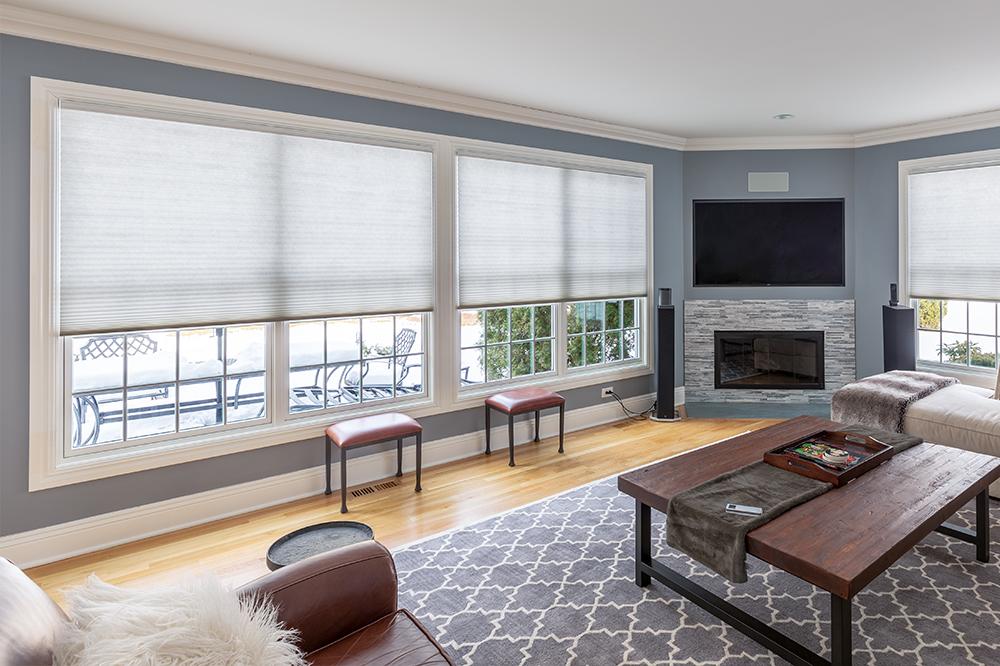
A street-facing living room can feel caught between two needs: enjoying daylight and avoiding a direct view into the room. Closing every covering may feel too enclosed, while leaving the whole window exposed can be uncomfortable. Honeycomb shades with a top-down bottom-up arrangement are an option to discuss when you want to position the covered area more deliberately.
The useful starting point is the view through your own window, rather than a photograph of someone else's home. Before a consultation, make a simple room sketch showing where people sit, where daylight enters and which outside approaches concern you. Use it to compare the proposed fabric and operating arrangement together.
1. Map the sightline from the seats you use
Sit on the sofa, at the dining table or in the chair nearest the window. Note which part of the glass faces a pavement, shared path or neighbouring window. Then stand up and check again. A position that feels private while seated may leave a different part of the room visible when someone moves around.
Include changes in level outside. A raised walkway or an overlooking window creates a different sightline from a passerby at garden level. Describe those details to the consultant without assuming a particular shade position will resolve them. Photographs taken from your normal seats can help explain the concern; avoid photographing neighbours or collecting unnecessary personal details.
2. Ask for a top-down demonstration
DBS lists top-down bottom-up honeycomb shades in its current range. In a suitable configuration, the top of the shade can be lowered to leave an opening above while fabric covers a lower section of glass. Ask to see how the proposed system moves, where its rails sit and what happens when you want the window fully covered.
Try the demonstration against your sketch. The aim is to identify a useful everyday position, not simply to show the mechanism working. Ask which fabric, window sizes and control arrangements are available together. Do not assume every honeycomb fabric can be combined with every lift option, or that one demonstration predicts the clearances on your finished window.
3. Separate daylight from evening privacy
A fabric that softens a bright daytime view needs a separate discussion about use after dark. Tell the consultant which room lights you normally turn on and whether people can approach the window. Ask what visibility to expect through the chosen fabric, around the edges and through any section deliberately left uncovered.
DBS offers light-filtering and blackout honeycomb fabrics. Compare the actual proposed samples and explain whether your priority is a softly lit living space, reduced visibility or a darker room. A blackout fabric label does not by itself describe the whole installed window. Request a clear explanation of the expected result, including gaps and the position needed for evening use.
4. Check neighbouring panes and opening hardware
If several panes share the same wall, mark which ones open and which are fixed. Point out handles, window cranks, deep trim and existing curtains. Ask the measuring specialist to explain how the proposed mounting position allows the window and shade to work together, including access for routine window cleaning.
Discuss whether each opening needs its own covering and how adjacent rails will look at your preferred daily position. Matching fabric does not settle every fitting detail. Keep rough dimensions as consultation notes and have the final manufacturing measurements confirmed professionally. Avoid choosing a mounting depth or clearance from a general online rule.
5. Try the daily adjustment you expect to make
Imagine the full routine: uncovering more glass in the morning, changing the covered area while seated, then closing the shade in the evening. Ask to operate an appropriate sample yourself. Note whether furniture would prevent comfortable access and who in the household will use each covering.
Have the consultant explain the exact controls included in the proposal and any care instructions for the selected fabric and mechanism. Ask what to do if movement becomes uneven or stiff rather than pulling harder. Keeping the product details and instructions with your order makes future care questions easier to answer.
6. Bring a short brief to the estimate
For each window, write down the important outside sightline, your usual seat, the daylight opening you hope to keep and your evening requirement. Add a fabric shortlist and unresolved questions about rails, fit and operation. This gives the consultation a practical focus before you commit to a colour.
Explore DBS's honeycomb shades, then request a free in-home estimate to discuss your street-facing room. Ask the written proposal to identify the chosen fabric, operating arrangement, mounting position and installation scope. The goal is a combination you understand in the positions you will actually use, with its limitations explained before ordering.
Ready for a free in-home estimate?
We'll measure every window and walk you through the right product.